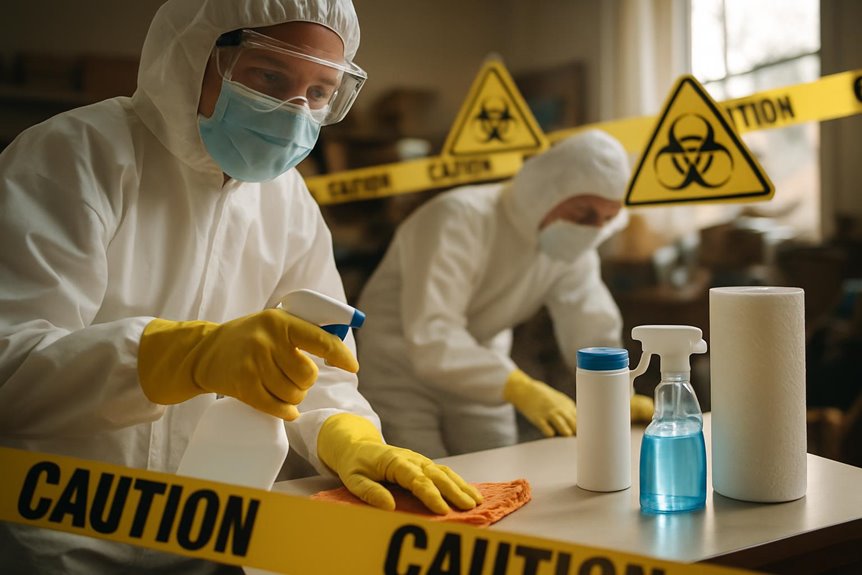
Within the scope of biohazard cleanup, managing odors is a critical concern. Various methods exist to tackle these challenging smells effectively. Among them, thermal fogging, ozone treatment, and chemical odor neutralizers stand out as the top choices. Each method offers unique benefits and applications, ensuring comprehensive odor management. Understanding how these techniques work can greatly impact the effectiveness of cleanup efforts. Exploring their individual strengths reveals valuable insights for those faced with such emergencies.
Key Takeaways
Chemical Odor Neutralizers absorb and bind with odor-causing agents, providing immediate scent masking and enhancing air quality for safe environments.
Thermal Fogging disperses deodorizing agents in a mist, penetrating deep into materials for comprehensive odor neutralization where traditional cleaning fails.
Ozone Treatment employs ozone gas to oxidize and eliminate odors at the molecular level, ensuring thorough removal without harmful residues.
Combining these methods can achieve superior results, addressing various challenges in biohazard odor management effectively.
Always prioritize safety by vacating spaces during ozone treatment and confirming contamination levels before applying any cleanup method.
Chemical Odor Neutralizers
Chemical odor neutralizers play an essential role in managing unpleasant and potentially harmful odors resulting from biohazard incidents.
These products are designed to eliminate odors through processes such as chemical absorption, where molecules bind with odor-causing agents, effectively removing them from the environment.
Furthermore, many neutralizers employ odor masking techniques, which provide an immediate, pleasant scent while the underlying odors are addressed.
This dual approach not only enhances air quality but also guarantees a safer space for individuals who may return to the area.
Thermal Fogging
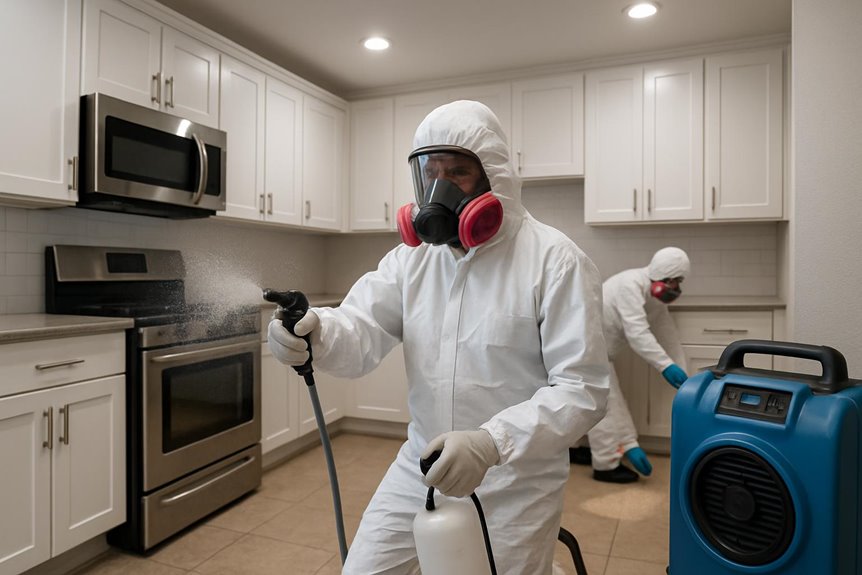
A very efficient method for addressing biohazard odors is thermal fogging, which utilizes heat to disperse deodorizing agents in a fog-like mist. This technique penetrates porous materials, ensuring comprehensive odor neutralization in affected areas. Additionally, it’s important to note that effective strategies for odor remediation include assessing the extent of contamination prior to applying any treatments.
Thermal fogging techniques involve specialized thermal fogging equipment that generates a fine mist, allowing the deodorizing agents to effectively bind with odor particles. This process is particularly advantageous in scenarios where traditional cleaning methods may fall short, as it reaches hidden crevices and fabrics. Additionally, biohazard cleanup services often employ thermal fogging as a standard practice to guarantee thorough odor removal.
Ozone Treatment
Ozone treatment presents a powerful solution for eliminating biohazard odors, leveraging the natural disinfecting properties of ozone gas.
This method utilizes an ozone generator, which produces ozone by converting oxygen molecules. The generated ozone effectively oxidizes odor-causing compounds, breaking them down at the molecular level and achieving thorough odor removal.
Unlike traditional cleaning agents, ozone treatment penetrates deep into porous materials, guaranteeing comprehensive results. Additionally, ozone is a natural process that leaves no harmful residues, promoting a healthier environment. However, it is crucial to use proper safety measures during the process to ensure the safety of individuals not using the treatment.
Nevertheless, it is essential to confirm that spaces are vacated during treatment, as high levels of ozone can be harmful.
In general, ozone treatment stands out as an efficient and eco-friendly approach to tackling persistent biohazard odors.
Frequently Asked Questions
How Long Does It Take for Odor Neutralizers to Work?
The effectiveness of odor neutralizers varies, typically requiring anywhere from minutes to several hours for noticeable results. The odor removal timeline depends on factors like concentration and environmental conditions, influencing the general success of the neutralization process.
Are There Any Health Risks Associated With Thermal Fogging?
The question of health risks associated with thermal fogging revolves around potential health effects, including respiratory irritation. Fogging safety measures, such as proper ventilation and protective gear, are essential to mitigate these risks during cleanup processes.
Can Ozone Treatment Damage Furniture or Electronics?
Ozone exposure can potentially damage furniture and electronics if not managed properly. To guarantee furniture protection, it is essential to follow guidelines and monitor ozone levels during treatment, safeguarding valuable items from unintended harm.
Is Professional Help Necessary for Biohazard Odor Cleanup?
Professional help is often essential for effective biohazard odor cleanup, as they possess specialized knowledge and equipment. While DIY solutions may be tempting, they may not adequately address underlying issues, potentially leading to persistent odors.
What Precautions Should I Take During Odor Cleanup?
During odor cleanup, individuals should prioritize safety by wearing protective gear and implementing effective ventilation practices. This guarantees a safer environment, minimizing exposure to harmful substances while promoting efficient odor removal and maintaining personal well-being.
Conclusion
To summarize, effectively managing biohazard odors requires a strategic approach utilizing the best cleanup methods available. Chemical odor neutralizers provide immediate relief by masking and absorbing unpleasant smells, while thermal fogging guarantees thorough coverage in hard-to-reach areas. Ozone treatment stands out as an eco-friendly option that tackles odors at the molecular level. By combining these techniques, individuals and professionals can achieve peak results, assuring a safer and more pleasant environment in the aftermath of a biohazard incident.
Effective biohazard waste removal is essential following any backup incident. Employing optimal methods guarantees safety and compliance with regulations. Key strategies include proper waste segregation, safe handling procedures, and thorough sanitization. Organizations must prioritize these measures to protect personnel and the environment. Understanding the nuances of each step can greatly impact the overall efficiency of the cleanup process. What are the specific strategies that can make a difference?
Key Takeaways
Conduct a thorough contamination assessment to identify hazardous materials before initiating waste removal after a backup incident.
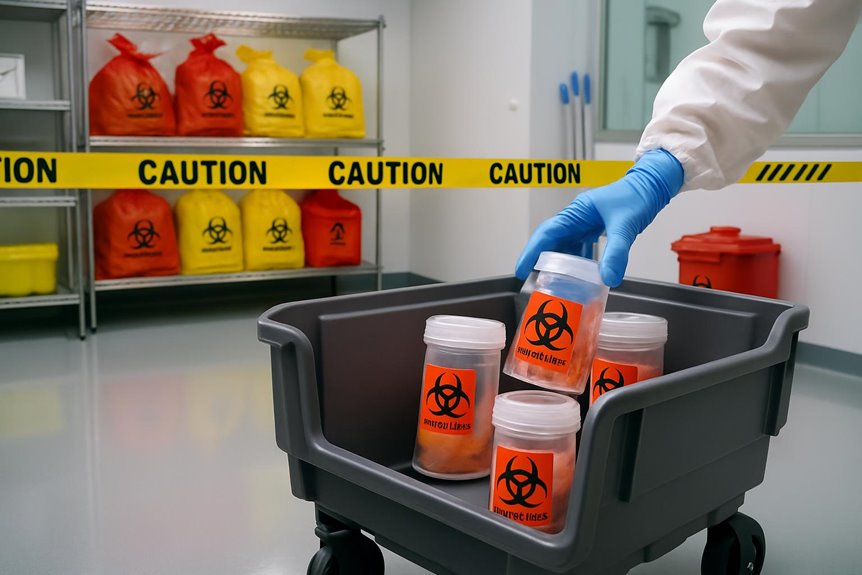
Utilize sealed containers and clearly labeled biohazard bags for secure storage of waste during the removal process.
Follow local regulations and guidelines for the proper disposal of biohazard waste to ensure compliance and safety.
Implement effective sanitization and disinfection techniques on affected areas to eliminate pathogens post-removal.
Maintain accurate documentation of the waste disposal activities for audits and regulatory compliance purposes.
Assessing the Contaminated Area
How does one effectively assess a contaminated area? The process begins with a thorough contamination assessment, which involves identifying the type and extent of hazardous materials present. This entails visual inspections and sampling to gather data on potential risks.
Following this, an area evaluation is conducted to determine the boundaries of the contamination and the level of threat it poses to health and the environment. Utilizing specialized tools and methods, professionals can pinpoint contaminated zones while ensuring that areas deemed safe remain accessible. Additionally, understanding the importance of biohazard cleanup services is crucial as they provide expertise in managing hazardous materials safely.
Effective communication with stakeholders is essential, as it promotes transparency and fosters a collaborative approach to remediation. Ultimately, a comprehensive assessment lays the groundwork for informed decision-making and the implementation of appropriate waste removal strategies. Additionally, engaging expert biohazard cleanup services ensures that the assessment is conducted with the highest standards of safety and precision.
Personal Protective Equipment (PPE) Guidelines
When handling biohazard waste, the selection and proper use of Personal Protective Equipment (PPE) is vital for ensuring safety.
Essential types of PPE include gloves, masks, gowns, and eye protection, each serving a specific role in minimizing exposure to hazardous materials.
Understanding the guidelines for utilizing this equipment effectively can greatly reduce the risk of contamination and injury.
Essential PPE Types
Personal Protective Equipment (PPE) is a critical line of defense in biohazard waste removal, ensuring the safety and health of workers handling hazardous materials.
Essential PPE types include various glove types, such as nitrile, latex, and vinyl, each designed to provide specific protection against different biohazards. Nitrile gloves are particularly favored for their puncture resistance and durability.
Additionally, appropriate mask materials, like N95 respirators or surgical masks, play a crucial role in safeguarding against airborne pathogens. These masks should offer a snug fit to effectively filter out harmful particles.
Proper PPE Usage
Proper usage of personal protective equipment (PPE) is essential for guaranteeing the safety of workers involved in biohazard waste removal.
Adhering to guidelines for PPE training and maintenance not only protects individuals but also promotes a culture of safety.
Here are three key practices to follow:
Regular Training: Guarantee all workers are trained in proper PPE usage, including donning and doffing techniques.
Routine Inspections: Conduct frequent inspections of PPE to check for wear and tear, addressing any maintenance needs immediately.
Proper Storage: Store PPE in a clean, dry area to prevent contamination and prolong its lifespan.
Proper Containment of Biohazard Waste
Effective containment of biohazard waste is essential for minimizing risks to public health and the environment. Proper containment methods guarantee that hazardous materials are securely stored, preventing leaks and exposure.
Utilizing appropriate waste storage solutions, such as sealed containers and designated biohazard bags, serves an important function in maintaining safety. It is critical to label all containers clearly, indicating their contents and hazard levels.
Additionally, following local regulations regarding waste disposal procedures reinforces the importance of responsible management. Implementing training programs for personnel handling biohazard waste fosters a culture of safety and awareness.
Sanitization and Disinfection Techniques
Although often overlooked, sanitization and disinfection techniques play an essential role in the management of biohazard waste. Implementing effective sanitization methods and disinfection protocols is vital to guarantee a safe environment.
The following strategies are fundamental:
Surface Cleaning: Regularly clean surfaces with approved disinfectants to eliminate pathogens and prevent contamination.
Ultraviolet (UV) Light: Utilize UV light devices to disinfect areas that are hard to reach, effectively killing harmful microorganisms.
Chemical Disinfectants: Apply EPA-approved chemical solutions, ensuring they are used according to the manufacturer’s guidelines for maximum efficacy.
Safe Transportation of Biohazard Materials
Ensuring the safe transportation of biohazard materials is critical to preventing exposure and contamination during transit. Effective transportation protocols are crucial for minimizing risks associated with handling potentially hazardous waste.
These protocols should outline specific containment methods, such as using puncture-resistant containers and sealed bags, ensuring materials remain secure throughout the journey. Personnel must be trained in proper handling techniques and emergency response procedures to address any unforeseen incidents.
Additionally, clear labeling on all containers is essential for informing transporters and emergency responders of the contents. By adhering to established guidelines, organizations can uphold safety standards, protect public health, and maintain a sense of responsibility towards the community, allowing individuals to engage in their daily lives without unnecessary concern. Furthermore, implementing specific containment methods can significantly reduce the likelihood of accidents during transportation.
Disposal Regulations and Compliance
Understanding disposal regulations and compliance is essential for the safe management of biohazard waste.
Local disposal laws and hazardous material guidelines play an important role in ensuring that waste is handled appropriately.
Additionally, maintaining accurate compliance documentation is essential for organizations to demonstrate adherence to these regulations.
Local Disposal Laws
Managing local disposal laws is crucial for organizations handling biohazard waste, as these regulations guarantee the safe and compliant management of potentially hazardous materials. Adhering to local disposal guidelines helps prevent environmental contamination and guarantees public safety.
Organizations must familiarize themselves with specific municipal waste regulations to maintain compliance.
Key considerations include:
Understanding Local Regulations: Each municipality may have unique guidelines for biohazard waste disposal, so it’s crucial to stay informed.
Proper Segregation of Waste: Different types of biohazard waste require distinct disposal methods; mixing them can lead to compliance issues.
Documentation and Reporting: Keeping accurate records of waste disposal activities is crucial for legal compliance and future audits.
Hazardous Material Guidelines
While organizations may endeavor to maintain compliance with biohazard waste regulations, adherence to hazardous material guidelines is equally important for ensuring safe disposal practices.
Understanding the nature of hazardous materials allows organizations to implement appropriate safety protocols tailored to their specific needs. These guidelines encompass proper identification, labeling, and storage of hazardous substances, which are crucial to minimizing risks associated with improper handling.
Additionally, organizations must stay informed about local and federal regulations to avoid penalties while promoting a culture of safety. Training employees on these guidelines not only enhances compliance but also fosters an environment where safety becomes a shared responsibility.
Ultimately, following these hazardous material guidelines empowers organizations to manage biohazard waste effectively and responsibly.
Compliance Documentation Required
Compliance documentation plays an essential part in the effective disposal of biohazard waste, building upon the foundation established by hazardous material guidelines.
Adhering to compliance checklists and documentation procedures guarantees that waste is managed responsibly and legally. Organizations can streamline their efforts by focusing on the following key areas:
Waste Tracking: Maintain accurate records of biohazard waste from generation to disposal, ensuring transparency.
Training Records: Document all employee training related to biohazard waste handling to demonstrate compliance with regulations.
Disposal Certificates: Obtain and retain certificates of disposal from certified waste management companies to validate proper handling.
Post-Cleanup Monitoring and Follow-Up
Post-cleanup monitoring and follow-up are essential components of an effective biohazard waste removal strategy, as they guarantee that the area remains safe and free from potential contaminants.
Conducting thorough post cleanup assessments allows professionals to evaluate the effectiveness of the cleanup process. This step guarantees that no harmful residues remain, which could pose health risks.
Ongoing monitoring is vital, as it provides a continuous evaluation of the environment, enabling prompt action should any new issues arise. Regular inspections, coupled with feedback from occupants, contribute to a safer space.
Frequently Asked Questions
What Types of Biohazard Waste Are Most Commonly Encountered?
The most commonly encountered types of biohazard waste include blood spills and medical waste. These materials require careful handling and disposal to guarantee safety and compliance with health regulations, protecting both individuals and the community at large.
How Can I Identify Potential Hidden Contamination?
To identify potential hidden contamination, one should inspect for hidden leaks and assess common contamination sources, such as plumbing systems and storage areas. Regular monitoring and thorough inspections can help guarantee a safe, contamination-free environment.
What Should I Do if I Feel Unwell After Cleanup?
If someone feels unwell after cleanup, they should follow self-care tips, such as resting and staying hydrated. Consulting a symptoms checklist can help identify any concerning signs, guiding them towards appropriate medical attention, if necessary.
Are There Specific Training Requirements for Biohazard Waste Handlers?
Specific training requirements for biohazard waste handlers typically include certification programs that emphasize safety protocols. These programs guarantee handlers are knowledgeable about proper disposal techniques, minimizing risks to health and the environment, and enhancing general safety.
How Often Should Biohazard Waste Removal Be Conducted in Facilities?
Biohazard waste removal frequency should adhere to established guidelines and facility optimal procedures. Regular assessments guarantee compliance with safety regulations, fostering a clean environment that supports health while allowing facilities to operate with greater freedom and efficiency.
Conclusion
To summarize, implementing effective biohazard waste removal strategies is essential for maintaining safety and compliance following a backup. By evaluating contaminated areas, utilizing appropriate PPE, and guaranteeing proper containment and transportation of waste, organizations can greatly reduce health risks. Additionally, adhering to disposal regulations and conducting thorough post-cleanup monitoring guarantees ongoing safety. These optimal practices not only protect personnel but also contribute to a healthier environment, fostering a culture of responsibility and care in waste management.
Hoarding can create significant challenges, especially regarding managing biohazard waste. Understanding the disposal options available is essential for those dealing with such situations. Many local services offer affordable solutions tailored to hoarding cleanup. Additionally, there are community resources that can help lighten the load. Exploring these options can lead to a healthier living environment. But what are the best methods to guarantee safe and cost-effective disposal?
Key Takeaways
Local waste management services often offer affordable bulk pickup options for biohazard disposal in hoarding situations.
Donation centers may accept reusable items, providing tax deductions while promoting responsible waste management.
Community cleanup events can provide free or low-cost disposal services for residents dealing with hoarding.
Specialized hoarding cleanup services can help manage the process effectively while ensuring safety and compliance.
Research and compare quotes from certified biohazard disposal companies to find budget-friendly options.
Understanding Biohazard Waste in Hoarding Situations
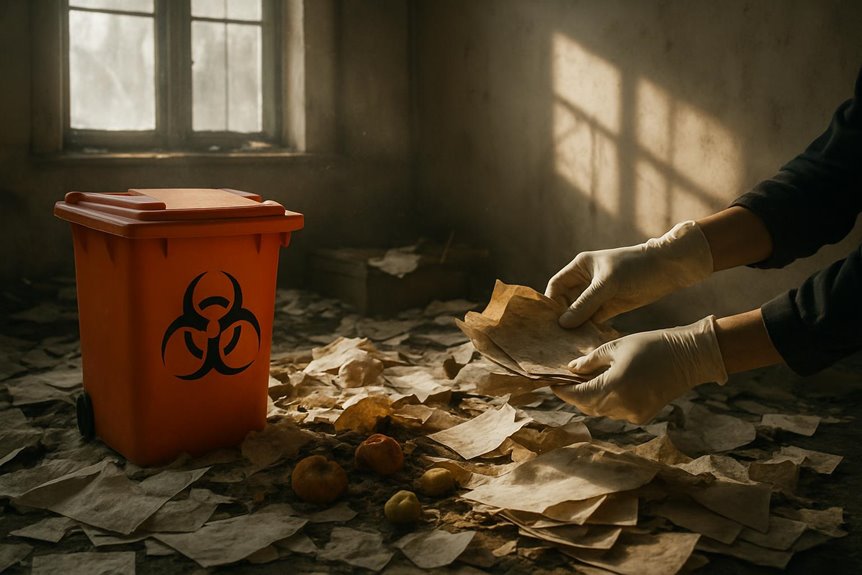
What constitutes biohazard waste in hoarding situations? In these scenarios, various biohazard types may emerge, including mold, decomposing organic materials, and even human waste. These elements can pose serious health risks, making it essential to recognize them. Biohazard cleanup professionals are equipped to handle these dangerous materials safely.
Hoarding triggers often include emotional distress or trauma, leading individuals to accumulate items beyond their control. As clutter builds, the potential for biohazardous substances increases, creating an unsafe living environment. Understanding these factors is vital for addressing the challenges of hoarding.
By identifying biohazard waste, individuals can take steps toward reclaiming their space and health. A supportive approach can empower those affected, helping them navigate the complexities of their situation while fostering a sense of freedom and safety in their homes. Furthermore, it is crucial to seek expert biohazard cleanup services to ensure proper handling and disposal of hazardous materials.
The Importance of Professional Biohazard Disposal
Professional biohazard disposal is essential for ensuring safety and adhering to compliance standards. Proper handling of hazardous materials not only protects public health but also minimizes environmental impact. Additionally, hiring specialists for effective biohazard cleanup ensures that all necessary protocols are followed to mitigate risks.
Safety and Compliance Standards
Guaranteeing safety and compliance with biohazard disposal regulations is essential for protecting both public health and the environment.
Professional disposal services are well-versed in safety regulations and possess the necessary compliance certifications, which guarantee that hazardous materials are handled responsibly. These experts follow strict protocols to minimize risks associated with unsafe disposal practices.
By relying on trained professionals, individuals can be confident that their biohazard cleanup will meet legal standards and safeguard their communities. Furthermore, understanding the significance of suicide cleanup services can help individuals make informed decisions about their disposal needs.
Adhering to safety regulations not only prevents potential health hazards but also promotes a sense of freedom from the burdens of improper waste management.
Ultimately, choosing certified services guarantees a thorough, safe, and compliant approach to biohazard disposal, allowing individuals to focus on recovery and restoration.
Environmental Protection Considerations
While many individuals may underestimate the impact of improper biohazard disposal on the environment, the consequences can be severe and far-reaching. Engaging in professional biohazard disposal guarantees that hazardous materials are handled responsibly, protecting ecosystems and public health. Additionally, effective hoarder cleanup services are essential in ensuring that all waste, especially biohazardous materials, is disposed of in compliance with regulations.
By adhering to sustainable practices, disposal services can mitigate pollution and promote recycling initiatives, which are crucial for conserving resources. When hazardous waste is managed properly, it minimizes risks of contamination, supporting a cleaner and healthier environment.
Individuals seeking freedom from clutter while prioritizing ecological well-being can benefit from these services. Ultimately, choosing professional biohazard disposal not only enhances safety but also fosters a commitment to sustainability that resonates with environmentally conscious communities. Additionally, it aligns with efforts to promote awareness and education regarding the importance of responsible waste management.
Cost-Effective Disposal Methods for Hoarding Cleanup
In the context of hoarding cleanup, finding budget-friendly disposal options can make a significant difference.
Many communities offer resource partnerships that provide support and guidance to those in need.
Exploring these avenues can lead to effective and affordable solutions for managing biohazard materials.
Budget-Friendly Disposal Options
Finding budget-friendly disposal options is essential for effective hoarding cleanup, as individuals often face significant financial constraints during this challenging process. Understanding the power of hoarder cleaning can also motivate individuals to take the necessary steps towards a healthier living environment.
Fortunately, there are various disposal alternatives that can help manage costs while ensuring a clean and safe environment. Here are some cost-effective methods to evaluate:
Local waste management services: Many municipalities offer affordable bulk pickup options for large items.
Donation centers: Items in good condition may be accepted by local charities, providing a tax deduction and helping those in need.
Community cleanup events: Participating in local initiatives can sometimes offer free or low-cost disposal services.
Additionally, utilizing hoard cleaning services can provide specialized assistance and resources beneficial for managing the cleanup process effectively.
Community Resource Partnerships
Community resource partnerships play an essential role in providing cost-effective disposal methods for hoarding cleanup. These collaborations often stem from community outreach initiatives that connect local organizations, nonprofits, and waste management services.
By pooling resources, partnership programs create accessible options for individuals seeking to reclaim their living spaces without financial strain. Such partnerships not only facilitate the removal of biohazardous materials but also promote awareness and education about safe disposal practices.
They empower communities to support those in need, fostering a sense of unity and encouragement. Ultimately, these collaborative efforts guarantee that individuals can find affordable solutions while embracing their freedom to live in healthier, cleaner environments.
Safety Protocols for Handling Biohazard Materials
Although handling biohazard materials can seem intimidating, adhering to established safety protocols greatly reduces risks for individuals and the environment.
To guarantee safety during cleanup, it is essential to follow these guidelines:
Wear personal protective equipment (PPE): This includes gloves, masks, and protective clothing to shield against exposure.
Complete hazardous waste training: Knowledge of proper handling and disposal methods is vital to minimize risks.
Use appropriate disposal containers: Biohazard materials should be placed in clearly marked, leak-proof containers to prevent contamination.
Choosing the Right Biohazard Disposal Service
How can one guarantee the safe and responsible disposal of biohazard materials? Choosing the right biohazard disposal service is vital.
Begin with a thorough service evaluation, considering their certifications, experience, and adherence to local regulations. It is important to examine client testimonials as they provide insights into the reliability and professionalism of the service. Positive feedback can indicate a company’s commitment to safety and customer satisfaction.
Additionally, inquire about their disposal methods and whether they prioritize environmentally friendly practices. Ultimately, selecting a reputable service allows individuals to feel secure in their choice, ensuring peace of mind during the challenging process of hoarding cleanup.
With the right support, one can embrace freedom from the burden of biohazard waste.
Tips for Reducing Hoarding-Related Biohazard Waste
Many individuals struggling with hoarding find themselves facing the challenge of biohazard waste, which can accumulate and pose health risks.
To minimize this waste, it is essential to adopt effective decluttering strategies alongside seeking emotional support. Here are some practical tips:
Set small, achievable goals: Break down the decluttering process into manageable tasks to prevent feeling overwhelmed.
Create a sorting system: Designate categories for items to keep, donate, or dispose of, making decisions easier and more organized.
Seek professional help: Engaging with a trained organizer or therapist can provide the emotional support needed to navigate the complexities of hoarding.
Long-Term Solutions for Hoarding Prevention and Cleanup
When individuals take proactive steps to address hoarding behaviors, they can markedly reduce the risk of future accumulation and improve their living environments. Long-term solutions often include engaging in behavioral therapy, which helps individuals understand the root causes of their hoarding. Additionally, emotional support from friends, family, or support groups plays an essential part in maintaining progress.
Solution Type
Description
Behavioral Therapy
Addresses underlying issues and develops coping strategies.
Emotional Support
Encourages open communication and emotional expression.
Routine Decluttering
Regularly scheduled clean-ups to maintain a tidy space.
Professional Help
Involves specialists for comprehensive support and guidance.
Frequently Asked Questions
What Types of Materials Are Considered Biohazardous in Hoarding Situations?
In hoarding scenarios, biohazard materials may include moldy food, human waste, used needles, and other bodily fluids. Recognizing these substances is essential for ensuring safety and proper cleanup in affected environments.
How Do I Know if My Disposal Service Is Certified?
To guarantee a disposal service is certified, one should request certification verification and review the service credentials. This helps confirm compliance with safety standards, providing peace of mind and assurance of responsible waste handling practices.
Can I Dispose of Biohazard Waste Myself Legally?
Determining whether one can legally dispose of biohazard waste personally involves understanding local legal regulations. Ignoring these may lead to personal liability, emphasizing the importance of consulting professionals to guarantee compliance and safety.
What Should I Do if I Find Hazardous Waste While Cleaning?
When encountering hazardous materials during cleaning, one should prioritize safety. Proper identification, safe handling, and contacting professionals for disposal are essential steps, ensuring both personal safety and compliance with local regulations for hazardous waste management.
Are There Any Insurance Options for Hoarding Cleanup and Disposal?
Insurance options may exist for hoarding cleanup, potentially covering cleanup costs. Individuals should consult their insurance providers to explore available policies and determine if they include coverage for such specialized cleaning services and disposal needs.
Conclusion
To sum up, affordable biohazard disposal for hoarding cleanup is not only possible but essential for creating a safe living environment. By exploring various cost-effective options, from local services to community events, individuals can effectively manage hazardous materials without financial strain. Engaging professional help guarantees compliance with safety regulations, while proactive strategies can prevent future hoarding situations. With the right approach, individuals can reclaim their spaces and enhance their quality of life, making the cleanup process manageable and less intimidating.
Affordable biohazard remediation solutions play a crucial role in protecting public health and safety. By providing accessible pricing, communities can swiftly address hazardous incidents without financial strain. This approach not only minimizes health risks but also promotes community resilience. Understanding the various aspects of biohazard situations and the benefits of professional cleanup is essential. As we explore these factors further, the advantages of choosing cost-effective services become increasingly clear.
Key Takeaways
Affordable biohazard remediation ensures timely response to incidents, minimizing health risks and reducing potential contamination in communities.
Cost-effective solutions promote public health by making cleanup services accessible to all, enhancing community resilience.
Professional services guarantee compliance with health standards, ensuring safe handling of hazardous materials and effective remediation.
Innovative techniques and budget-friendly equipment maintain efficiency without compromising safety, providing effective cleanup at lower costs.
Investing in affordable remediation solutions leads to long-term savings and peace of mind by preventing future health issues and enhancing property value.
Understanding Biohazard Remediation
Biohazard remediation is a critical process that involves the cleanup and decontamination of environments affected by hazardous biological materials. Understanding biohazard definitions is essential for grasping the importance of these remediation processes. Biohazards can include pathogens, bodily fluids, and other potentially harmful substances that pose health risks to individuals and communities. The role of biohazard cleanup companies is vital in ensuring that these hazardous materials are managed properly.
Effective remediation requires specialized knowledge and techniques to guarantee safety and compliance with regulations. Professionals in this field utilize advanced equipment and methods to assess risks, remove contaminants, and restore spaces to a safe condition. Additionally, thorough training in biohazard cleanup techniques ensures that remediation experts can handle various scenarios effectively.
The Importance of Affordable Solutions
Access to affordable biohazard remediation solutions is essential for maintaining public health and safety, especially in communities prone to environmental hazards. The affordability factors of these services play a significant role in guaranteeing that individuals and families can access necessary assistance without financial strain.
When these solutions are priced reasonably, communities can respond promptly to biohazard incidents, minimizing health risks and potential contamination. Moreover, effective water and fire damage restoration is crucial in preventing further damage to properties and ensuring the safety of residents. Additionally, the economic impact of affordable remediation extends beyond immediate health benefits; it fosters community resilience and stability. Effective biohazard cleanup not only protects individuals but also ensures safe environments for all residents, reducing the long-term consequences of exposure to hazardous materials.
Common Types of Biohazard Situations
Biohazard situations can arise in various forms, each requiring specialized attention and care. Common scenarios include crime scene cleanup, the safe disposal of medical waste, and mold remediation services. Understanding these situations is essential for ensuring safety and compliance with health standards. Professional crime scene cleanup services are vital to properly handle hazardous materials and ensure the area is safe for re-entry. Additionally, engaging with professional crime scene cleanup teams ensures that the affected areas are not only cleaned but also thoroughly sanitized to prevent any health risks.
Crime Scene Cleanup
Cleaning up a crime scene involves addressing various types of biohazard situations that can pose serious health risks. Crime scene cleanup is essential not only for restoring the area but also for ensuring the safety of those who may enter afterward. Trauma cleanup can include various scenarios, such as accidental deaths, homicides, or violent incidents, each requiring specialized handling and professional expertise.
Type of Incident
Description
Health Risks
Homicide
Cleanup after a violent crime
Bloodborne pathogens
Accidental Death
Unintentional fatal incidents
Biological hazards
Suicide
Cleanup following self-harm
Emotional trauma and biohazards
Drug Overdose
Clearing drug-related scenes
Chemical exposure
Assault
Aftermath of violent attacks
Potential infectious materials
Understanding these aspects is crucial for effective remediation. Proper suicide cleanup services are vital to address the unique challenges presented by such sensitive situations.
Medical Waste Disposal
After addressing the complexities of crime scene cleanup, it’s important to recognize that medical waste disposal is another significant aspect of biohazard management.
Medical waste management involves the careful handling and disposal of materials generated by healthcare facilities, including used syringes, surgical instruments, and contaminated supplies. Proper disposal is crucial to comply with healthcare regulations that protect public health and the environment.
Failing to manage medical waste appropriately can lead to hazardous situations, exposing individuals to infectious agents. Affordable biohazard remediation solutions guarantee that healthcare providers can adhere to these regulations while maintaining safety.
Mold Remediation Services
When faced with mold growth, property owners often find themselves confronting a hidden yet significant biohazard situation. Mold can pose health risks and structural damage, making prompt action critical. Effective mold remediation services begin with thorough mold identification techniques, which help pinpoint problematic areas and determine the type of mold present. Once identified, specialized mold removal products can be utilized to safely eliminate the infestation. These solutions are designed to not only remove visible mold but also address underlying spores that may not be immediately apparent. Comprehensive mold remediation strategies also involve addressing moisture sources that contribute to mold growth. By choosing affordable biohazard remediation options, property owners can guarantee a safer environment while maintaining control over their living spaces. Prioritizing mold remediation is vital for health and peace of mind. Additionally, successful mold remediation requires adherence to established safety protocols to protect both the workers and the occupants of the property.
Benefits of Professional Cleanup Services
While some may consider tackling biohazard cleanup on their own, the benefits of hiring professional cleanup services are significant.
These experts are equipped to handle emergency response situations safely and efficiently, ensuring that hazardous materials are managed according to strict health regulations. Professional services bring specialized training and tools that guarantee thorough cleanup, minimizing health risks associated with biohazard exposure.
Additionally, they possess the knowledge to identify potential hazards that an untrained individual might overlook. By choosing professionals, property owners can reclaim their space quickly, with peace of mind knowing that the job is completed to industry standards.
Ultimately, investing in expert cleanup services promotes safety and well-being for everyone involved, allowing individuals to focus on recovery and moving forward.
Cost-Effective Techniques for Remediation
Cost-effective techniques for biohazard remediation can greatly reduce expenses while maintaining safety and effectiveness.
By utilizing innovative cleaning methods and budget-friendly equipment, professionals can achieve thorough results without compromising quality.
Exploring these strategies offers valuable insights for those seeking affordable solutions in challenging cleanup situations.
Innovative Cleaning Methods
Numerous innovative cleaning methods have emerged as effective solutions for biohazard remediation, offering both efficiency and affordability.
These approaches not only guarantee thorough cleaning but also prioritize safety and environmental responsibility through the use of eco-friendly products and advanced technology.
Key techniques include:
Steam Cleaning: Utilizing high-temperature steam to eliminate pathogens without harsh chemicals.
Enzymatic Cleaners: Employing natural enzymes to break down organic material, promoting a safer environment.
Ozone Treatment: Harnessing ozone gas to disinfect spaces, effectively neutralizing odors and harmful microorganisms.
Budget-Friendly Equipment Usage
When seeking budget-friendly equipment for biohazard remediation, it is essential to contemplate tools that offer both effectiveness and affordability. Understanding budget limitations can greatly impact the choice of equipment, so focusing on equipment efficiency is vital. By selecting versatile tools that serve multiple purposes, individuals can maximize their investment while ensuring a thorough clean.
Equipment Type
Benefits
HEPA Vacuums
High filtration, cost-effective
Disinfectant Sprayers
Quick application, reusable
Personal Protective Equipment (PPE)
Essential safety, durable
These tools not only respect budget constraints but also enhance the comprehensive efficiency of the remediation process, empowering individuals to take control of their environment without compromising safety or quality.
Safety Considerations During Cleanup
How can one guarantee a safe environment during biohazard cleanup? Securing safety requires diligent adherence to established safety protocols and thorough hazard assessments. This process not only protects the individuals involved but also the surrounding community.
Personal Protective Equipment (PPE): Workers must wear appropriate PPE to shield against harmful substances.
Site Evaluation: Conducting hazard assessments allows for identifying potential risks and developing strategies to mitigate them.
Communication: Clear communication among team members guarantees that everyone is aware of potential dangers and safety measures.
How to Choose the Right Service Provider
Selecting the right service provider for biohazard remediation is essential, as the quality of cleanup can greatly impact safety and recovery. When evaluating potential providers, one should prioritize their service provider qualifications, ensuring they possess necessary certifications and experience in biohazard situations.
It is also wise to conduct a customer review analysis, examining past client experiences to gauge satisfaction and reliability. Feedback from previous customers can provide insights into the provider’s professionalism and effectiveness.
Additionally, consider their response times and availability, as emergencies can arise unexpectedly. By thoroughly researching and comparing options, individuals can confidently choose a provider that aligns with their needs, ensuring a safe and efficient remediation process.
Long-Term Benefits of Investing in Cleanup Solutions
Investing in biohazard cleanup solutions offers numerous long-term benefits that extend beyond immediate remediation.
By prioritizing professional cleanup, individuals and businesses can guarantee a safer environment while reaping significant rewards over time.
Long Term Savings: Effective remediation prevents future health issues, reducing potential medical expenses and legal liabilities.
Investment Returns: A clean and safe property enhances its value, making it a worthwhile investment for homeowners and landlords alike.
Peace of Mind: Knowing that the environment is free from hazardous materials fosters a sense of security and wellbeing.
Ultimately, choosing affordable biohazard remediation solutions not only protects health but also contributes to financial stability, making it a smart choice for those who value freedom and security in their living and working spaces.
Frequently Asked Questions
How Long Does Biohazard Remediation Typically Take?
Biohazard remediation timelines vary greatly based on cleanup factors such as the type of incident, the extent of contamination, and the location. Typically, the process can take anywhere from a few hours to several days.
Will My Insurance Cover Biohazard Cleanup Costs?
Determining if insurance covers biohazard cleanup costs depends on individual insurance policies and their coverage limits. Policyholders should review their specific terms and consult with insurers to understand potential financial assistance for remediation services.
Can I Clean Biohazards Myself Instead?
Considering DIY biohazard safety, individuals must recognize significant cleaning risks involved. Professional remediation guarantees thorough contamination removal, protecting health and safety. Relying on trained experts is advisable for effective, safe biohazard management and peace of mind.
What Certifications Should I Look for in a Remediation Service?
When selecting a remediation service, individuals should prioritize certifications that guarantee compliance with remediation standards. These certifications signify expertise and adherence to safety protocols, providing peace of mind that the service is reliable and trustworthy.
Are There Any Environmental Regulations for Biohazard Disposal?
Environmental regulations for biohazard disposal emphasize environmental compliance, mandating specific disposal methods to guarantee safety. Companies must adhere to these regulations, promoting responsible practices that protect both public health and the environment while providing peace of mind.
Conclusion
In conclusion, opting for affordable biohazard remediation solutions is essential for safeguarding public health and the environment. By addressing hazardous situations promptly and effectively, communities can minimize risks and promote safety. Professional cleanup services not only guarantee thorough remediation but also enhance property value and community resilience. Ultimately, investing in cost-effective solutions leads to a healthier, safer environment for all, making it a smart choice for property owners and communities alike.